I should acknowledge that I was not aware of the term “humblebrag” until a colleague brought it to my attention. For a long time, I used a different term to describe this phenomenon.
humblebrag
noun an ostensibly modest or self deprecating statement whose actual purpose is to draw attention to something of which one is proud.
Verb make an ostensibly modest or self deprecating statement with the actual intention of drawing attention to something of which one is proud
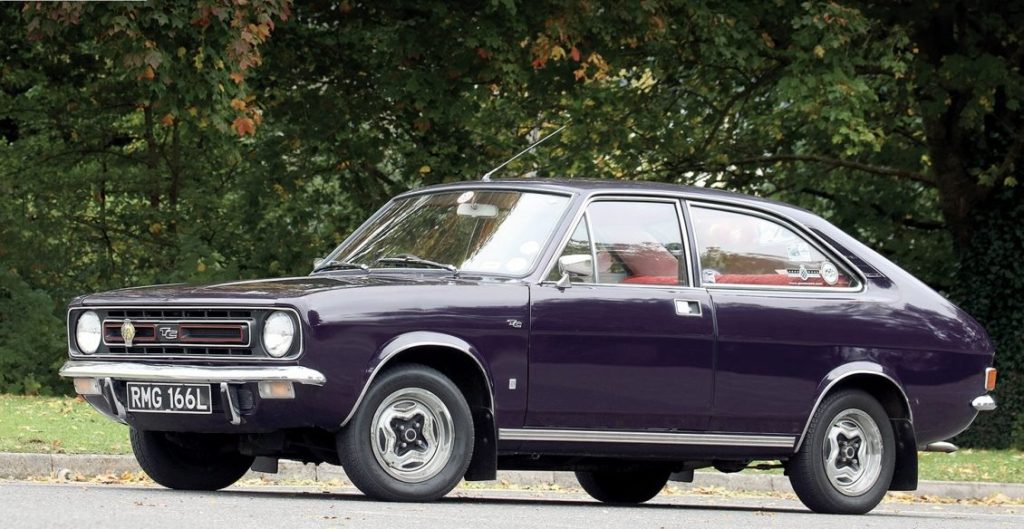
When I was growing up, my grandad always referred to his neighbour as “old Blowall next door.” As an unquestioning and impressionable youngster, I had no reason to believe anything other than that was his name. On one occasion when leaving the house, I greeted him with a polite “Good morning Mr Blowall”. The uncomfortable glances between my grandparents then saw me bundled into the back of my Grandads purple Morris Marina for a swift getaway. It was only when I was much older and properly listened to conversations between him and my grandad I learned that he was called Blowall because of his constant and obvious boasting.
As a frequent user of Twitter, I have come across many humblebrags, and I have also noticed an increase in them in the workplace. At first, I thought they were harmless, but it turns out that humblebragging can actually make people dislike you, according to a Time Magazine report. Strong stuff indeed.
I’m just so busy
One common form of the humblebrag starts around being busy. An excellent article in HBR (March-April 2023) is on the subject of Busyness or time poverty leading to increased stress . It’s common for people to respond to the question“Hi, how are you?” with “Busy”. Getting the busyness badge of honour can lead to a sense of importance and status. But is it also causing people to suffer from excessive stress and pressure?
Recently, our CEO issued some guidance on working hours because the line between work and personal life is becoming increasingly blurred, particularly for global organizations like ours. He suggested that meetings should not be scheduled before 8am or after 6pm. While some praised this stance, others said it was unworkable. However, it was an attempt to remove the peer pressure to commit to something that may not align with one’s personal priorities. And its also a challenge to create a humblebrag about finishing work at 6pm.
The Leadership Shadow
As a leader, your actions and language can have a significant impact on others. The concept of the leadership shadow suggests that your words, actions, priorities, and metrics all interact to define the shadow you cast.
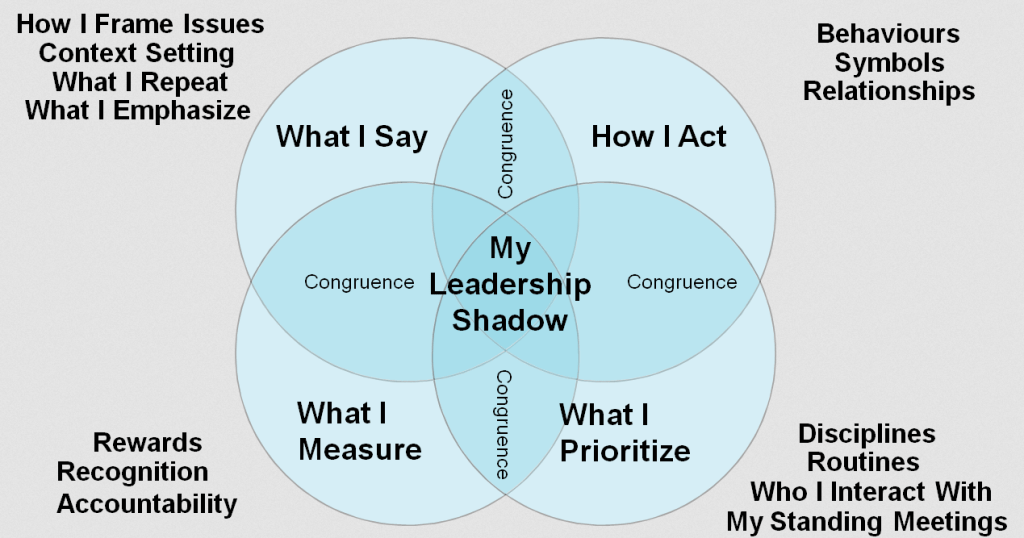
This shadow can have a huge impact on your team and, depending on your level of leadership, the entire culture of your organization. In addition, there is a well established psychological concept in cognitive behaviour therapy that advises you are not responsible for how someone else feels but your actions or language can have a huge emotional influence. The shadow you cast is really important.
Your Impact on others
This weeks favourite humblebrag…………….
“Im dreading my 6am run tomorrow , I’ve had back to back meetings everyday this week until 10pm”
When you make a statement that appears to be modest or self-deprecating but is actually meant to draw attention to your accomplishments, what kind of shadow does it cast? How do your team and colleagues interpret it? Whilst some may be able to see through a humblebrag, others may not, and it could have a significant impact on them. Therefore, it’s important to be self-aware and consider the impact of your words on others. Next time you feel the urge to humblebrag, think about the effect it may have on someone who is struggling with their workload or close to burnout
As the late Mr Ronald Spencer said “No-one likes a blowall”
 What With These Feet
Leave a comment