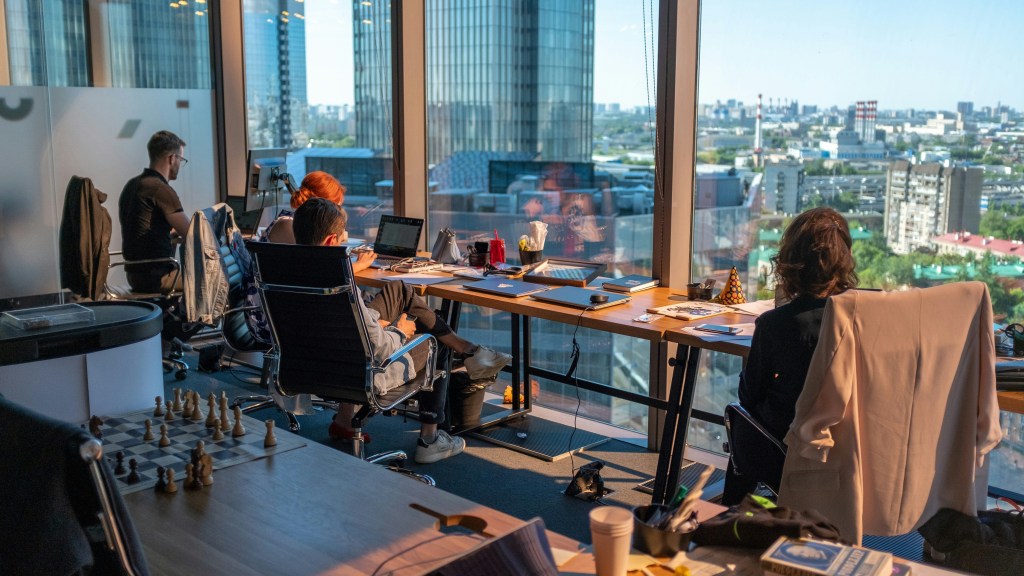
In an era defined by rapid change and shifting employee expectations, the workplace has become a strategic lever for driving operational excellence. Far from a mere cost center, your office environment—and how you use it—can serve as a catalyst for innovation, collaboration, and measurable performance gains. Recent headlines suggest many high-profile organizations are scaling back or limiting hybrid work arrangements, often citing the importance of in-person collaboration. Yet this shift doesn’t have to signal the end of flexibility. Instead, it can be viewed as an invitation to reimagine how, when, and where work happens—so that both businesses and employees benefit.
Why a Thoughtful Workplace Strategy Matters
A well-designed workplace strategy is more than choosing a floor plan or desk layout. It’s about crafting an ecosystem where people, processes, and technology work in harmony to optimize productivity and minimize inefficiencies. When approached strategically, the office transforms from a simple physical space into a dynamic tool that drives culture, fosters collaboration, and improves performance across the board. The key is to align your real estate decisions and operational goals with how your teams actually work—so you can unlock both efficiency and innovation.
Augmenting Hub Locations with Flex Space
An established best practice is incorporating flexible workspaces to complement traditional hub offices. This can include co-working memberships or on-demand satellite locations that expand or contract with your business needs. For instance, an organization with a major city-center hub might offer flex spaces in the suburbs to reduce commuting times and minimize employee burnout. Beyond boosting morale, this approach also makes it easier to scale quickly when tackling new projects—an essential component of operational excellence.
Flex spaces don’t just address convenience; they also create agility. If business conditions change or a new opportunity arises, you can add or reduce space without being locked into long-term leases. Such flexibility is crucial when navigating volatile markets or unforeseen disruptions, ensuring you can pivot effectively while maintaining high performance.

The Role of Dynamic Work Scheduling
Physical space is only half the equation. Dynamic work scheduling ensures that teams are in the same place at the right times, maximizing the benefits of face-to-face interaction. Rather than mandating a rigid five-day, in-office requirement, organizations can opt for specific “in-person collaboration days,” supplemented by remote work for tasks better suited to quiet focus. This thoughtful approach not only supports work-life balance but also amplifies the impact of on-site time—when employees do come together, they’re more engaged and prepared to collaborate effectively.
Phasing Out Hybrid Work—or Evolving It?
Over the past year, several major companies—such as Tesla, Twitter, Disney, Starbucks, Amazon, Apple, and JPMorgan Chase—have made headlines by rolling back remote or hybrid arrangements. While some interpret this as a retreat from flexibility, many of these organizations emphasize the value of in-person collaboration for building culture, promoting innovation, and strengthening mentorship. Rather than discarding hybrid work entirely, their moves can be seen as an effort to recalibrate how hybrid models function in practice.
In other words, it’s not about eliminating remote work, but about refining the balance between autonomy and togetherness. By combining hub offices, flex spaces, and dynamic scheduling, companies can preserve the best aspects of flexible work—such as convenience and focus time—while tapping into the energizing power of face-to-face engagement.
Conclusion
A well-crafted workplace strategy is a cornerstone of operational excellence. By integrating hub locations with on-demand flex spaces and adopting dynamic work schedules, organizations can adapt to market changes quickly, unlock the full potential of their teams, and consistently deliver impactful results. The recent trend of large corporations emphasizing in-office work need not undermine flexibility—rather, it highlights an opportunity to rethink how space, scheduling, and collaboration intersect.
If you are interested on how a flex strategy could be effectively incorporated into your workplace, please make contact at martin@whatwiththesefeet.co.uk or use the contact form on the website.
 What With These Feet
Leave a comment